Service charges statement in a lease: when it comes, what it must contain and how to object
Advances for water, heating and other services, the 4-month deadline, allocation by occupants and meters, 30-day periods for documents and objections, and a CZK 50 daily penalty. Under Act No. 67/2013 Coll.
Every month, on top of the rent, you pay “advances for services”. Once a year the statement arrives — bringing either a pleasant overpayment or an unexpected underpayment. The law says exactly when the statement must come, what it must contain and how you can check it.
1. Which services are settled
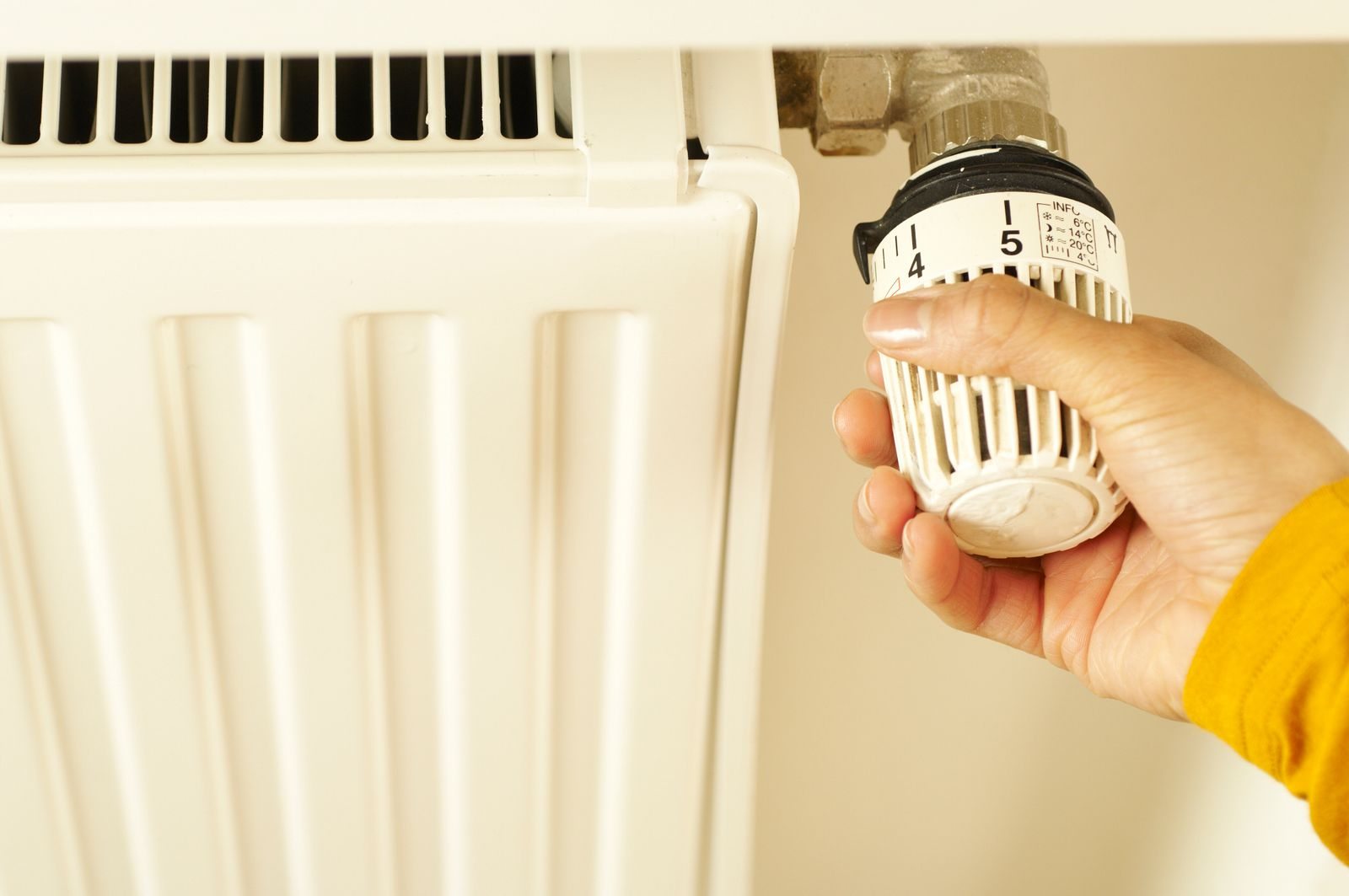
Services include in particular heating and hot water, water supply and sewage, the lift, lighting and cleaning of common areas, waste collection, emptying of cesspits, TV and radio signal reception, and the operation and cleaning of chimneys (Section 3(1) of Act No. 67/2013 Coll.). Unless the contract says otherwise, the landlord provides these essential services (Section 2247(2) of the Civil Code, Act No. 89/2012 Coll.). Electricity or gas contracted in your own name directly with a supplier is not part of the landlord's statement.
2. Advances
The landlord may require monthly advances for services; the parties agree on the amount. If they do not agree, the landlord sets the advances as a monthly share of the expected annual costs based on the previous year or the last billing period (Act No. 67/2013 Coll., Section 4(1) and (2)). Advances are only an estimate — the actual costs are shown by the statement.
3. When the statement must arrive
- The billing period lasts at most 12 months; the landlord sets its start (Act No. 67/2013 Coll., Section 2(1)(c)).
- The statement must be delivered to you within 4 months of the end of the billing period (Act No. 67/2013 Coll., Section 7(1)).
- Overpayments and underpayments are settled within the agreed period, at the latest within 4 months of delivery of the statement; defects in the statement do not affect when an overpayment is due (Act No. 67/2013 Coll., Section 7(3)).
- The landlord may not charge you for preparing and delivering the statement (Act No. 67/2013 Coll., Section 7(4)).
4. What the statement must contain
The statement must show the actual costs broken down by service and the total advances you have paid — so that every difference is clear and can be checked against the agreed allocation rules (Act No. 67/2013 Coll., Section 7(2)). A single lump sum “services total” without a breakdown does not meet this requirement.
5. How costs are split between flats
The landlord agrees the allocation method with a two-thirds majority of tenants in the building (or the housing cooperative or owners' association decides). Without such an agreement, the statutory rules apply (Act No. 67/2013 Coll., Section 5):
- Water and sewage by the meters in the flats; if not every flat has one, by standard consumption figures.
- Chimneys by the number of flue connections, TV signal by the number of sockets.
- Lift, lighting and cleaning of common areas, waste and cesspit emptying by the number of occupants — so report any change in the number of occupants to the landlord in writing without undue delay (Act No. 67/2013 Coll., Section 12).
- Heating is split into a basic part by floor area and a consumption part by meters or radiator heat-cost allocators (Act No. 67/2013 Coll., Section 6(2); details in Decree No. 269/2015 Coll.).
6. Checking: documents and objections within 30 days
- Within 30 days of delivery of the statement you can ask in writing for proof of the costs, the allocation method and how the advances were set, and for copies of the documents; the landlord must comply within 30 days (Act No. 67/2013 Coll., Section 8(1)).
- Submit objections in writing within 30 days of delivery of the statement, or of receiving the documents. If you don't, you are deemed to agree with the statement (Act No. 67/2013 Coll., Section 8(2)).
- The landlord must deal with objections submitted in time within 30 days (Act No. 67/2013 Coll., Section 8(2)).
- Be specific in your objection: which item, why it is wrong (different number of occupants, wrong meter reading, a service you don't use) and what correction you request.
7. A CZK 50 penalty for every day
If the landlord fails to deliver the statement on time or to meet the duties regarding documents and objections, they pay you a penalty; so does a tenant who fails to report a change in the number of occupants. Unless agreed otherwise in the building, the penalty is CZK 50 for each commenced day of delay, and an agreed amount may not exceed it (Act No. 67/2013 Coll., Section 13). No penalty is due if it would not be fair to require performance within the period or if the other party caused the delay.
8. A flat rate instead of advances
The parties may agree a flat-rate payment for services (or together with the rent); such services are then not settled. However, for a lease longer than 24 months or for an indefinite period, heating, hot water, water and sewage cannot be included in a flat rate — they must always be settled (Act No. 67/2013 Coll., Section 9(1) and (4)).