Heating season in a rented flat: who pays for the boiler and radiators, and what to do when the flat is cold
When heating runs in Czechia and how warm a flat should be, who pays for boiler servicing and repairs in a lease, how to report a cold flat and how heating advances work.
It has turned cold outside but your flat is still chilly? Or the first heating advance has arrived and it is higher than last year? In a lease, it all depends on where the heat comes from and what the contract says. Here is an overview based on the rules in force.
1. When the heating runs and how warm the flat should be
For flats heated by a district heating plant or a shared boiler room, the heating period runs from 1 September to 31 May (Decree No. 194/2007 Coll., Section 2(1)). Heating starts when the average daily outdoor temperature falls below +13 °C on 2 consecutive days and no warming is expected (Decree No. 194/2007 Coll., Section 2(2)).
- From 6 am to 10 pm, flats are heated to the temperatures set in the building design (Decree No. 194/2007 Coll., Section 2(6)).
- The design temperatures are listed in Annex 1 to the decree: living rooms, bedrooms and kitchens 20 °C, bathrooms 24 °C, hallways and corridors 15 °C (Decree No. 194/2007 Coll., Section 3(5)).
- From 10 pm to 6 am, heating is reduced as needed (Decree No. 194/2007 Coll., Section 2(9)).
If the flat has its own gas or electric boiler (individual heating), you switch the heating on yourself whenever you need it.
2. Who pays for the boiler and radiators in a lease
The landlord keeps the flat fit for use; the tenant pays only for routine maintenance and minor repairs (Section 2257 OZ). What exactly that covers is set by Government Regulation No. 308/2015 Coll.
- Regular inspections and cleaning of an individual heating boiler are routine maintenance, so the tenant pays for them (Government Regulation No. 308/2015 Coll., Section 2).
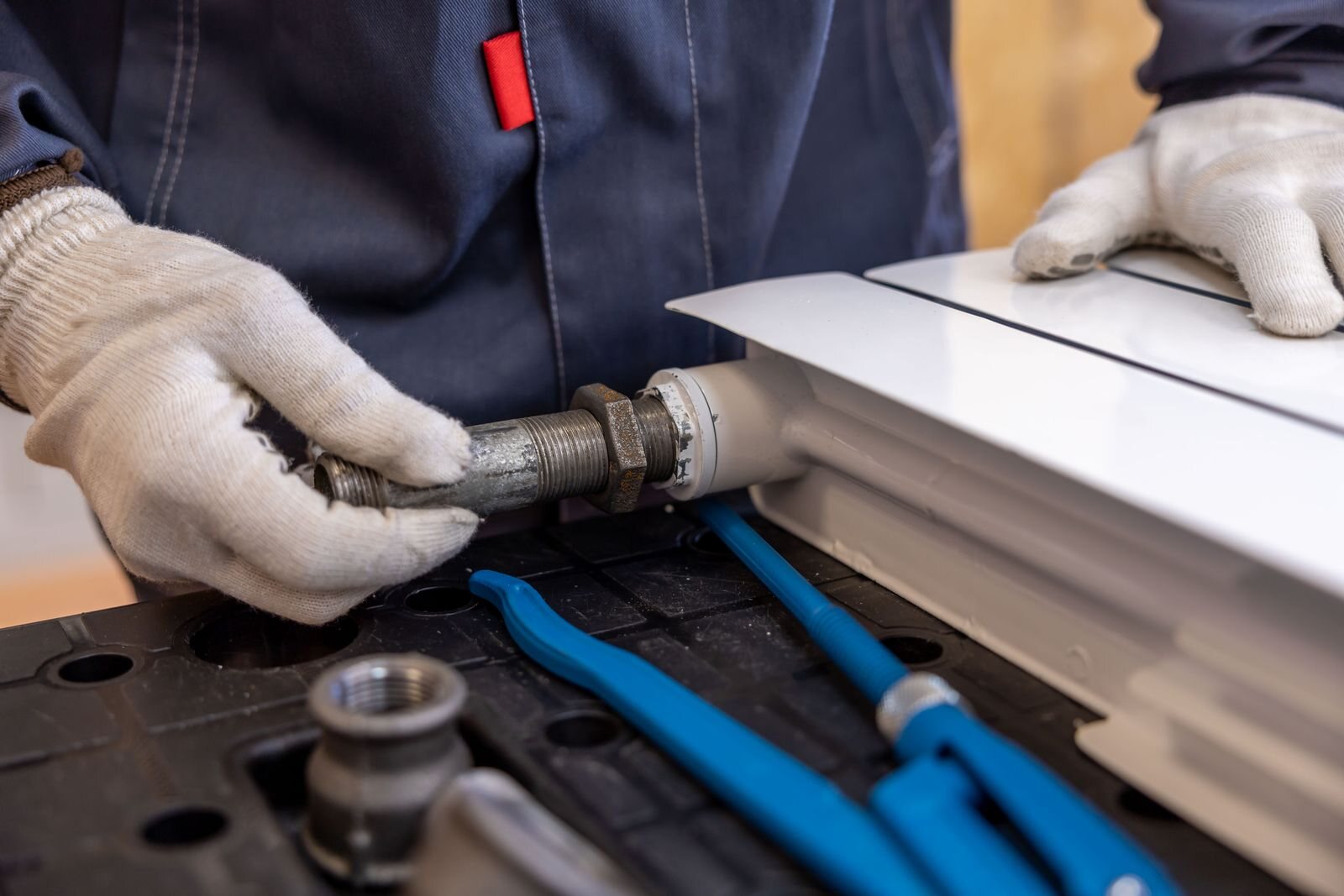
- Repairs to an individual heating boiler, flue pipes, valves and thermostats are minor repairs paid by the tenant (Government Regulation No. 308/2015 Coll., Section 4(h)).
- Repairs to radiators and central heating pipes are not minor repairs; the landlord pays for them (Government Regulation No. 308/2015 Coll., Section 4(h)).
- Other repairs count as minor only if one repair costs no more than CZK 1,500 (Government Regulation No. 308/2015 Coll., Section 5).
- Once minor repairs in a calendar year exceed CZK 150 per m² of the flat’s floor area, further repairs that year are paid by the landlord (Government Regulation No. 308/2015 Coll., Section 6(1)).
3. The flat is cold: what to do
- Measure the temperature in the middle of the room, 1 m above the floor, at 8 am, 12 noon, 4 pm and 9 pm, and work out the average (Decree No. 194/2007 Coll., Section 2(8)). Note the date, room and result.
- Report a defect that must be removed without delay (for example, no heating at all in freezing weather) to the landlord immediately; report any other defect that prevents normal living without undue delay, preferably in writing (Section 2264(1) OZ).
- The landlord removes the defect within a reasonable time after being notified (Section 2265(1) OZ).
- If the landlord does not remove it properly and without undue delay, you may have it repaired yourself and claim the justified costs, or a rent reduction (Section 2265(2) OZ). A tenant who did not report the defect in time has no right to the costs (Section 2265(3) OZ).
- Claim a rent reduction within 6 months of the day you found the defect; otherwise a court will not grant it if the landlord objects (Section 2208(3) OZ).
- If the landlord fails to remove the defect even within an additional period and this is a gross breach of the landlord’s duties, you may terminate the lease without notice (Section 2266 OZ).
4. Heating advances and the annual statement
- The landlord may require monthly advances for services, including heating; the parties agree on the amount (Act No. 67/2013 Coll., Section 4(1)).
- The advance may be raised during the year if the price of the service changes or for another justified reason. The increase must be notified in writing and properly justified, otherwise it does not take effect; it can be charged from the first day of the following month at the earliest (Act No. 67/2013 Coll., Section 4(4)).
- With central heating, costs are split into a basic part (40 to 60% depending on the building’s energy performance) and a consumption part based on the meters (Decree No. 269/2015 Coll., Section 3(1)). So even with low consumption you pay part of the costs according to the flat’s floor area.
- The statement must arrive within 4 months of the end of the billing period (Act No. 67/2013 Coll., Section 7(1)). You can object within 30 days of its delivery (Act No. 67/2013 Coll., Section 8(2)).
Practical tip: at the start of the heating season, take dated photos of your heat meters and water meters. It saves disputes at the annual statement or when you move out.