Radio and communication without internet or power: what you may use without a permit and how to become a radio amateur in Czechia
Listening to the radio, PMR446 and CB walkie-talkies without a permit, ČTÚ conditions, the exam and licence for radio amateurs under the Czech Electronic Communications Act, and what to prepare for your family.
During a long power cut, mobile networks and the internet may stop working too. A battery radio keeps receiving, though, and walkie-talkies connect a family without any operator. We explain what you may use in Czechia without a permit, what requires an exam and a licence from the Czech Telecommunication Office (ČTÚ), and how to get them.
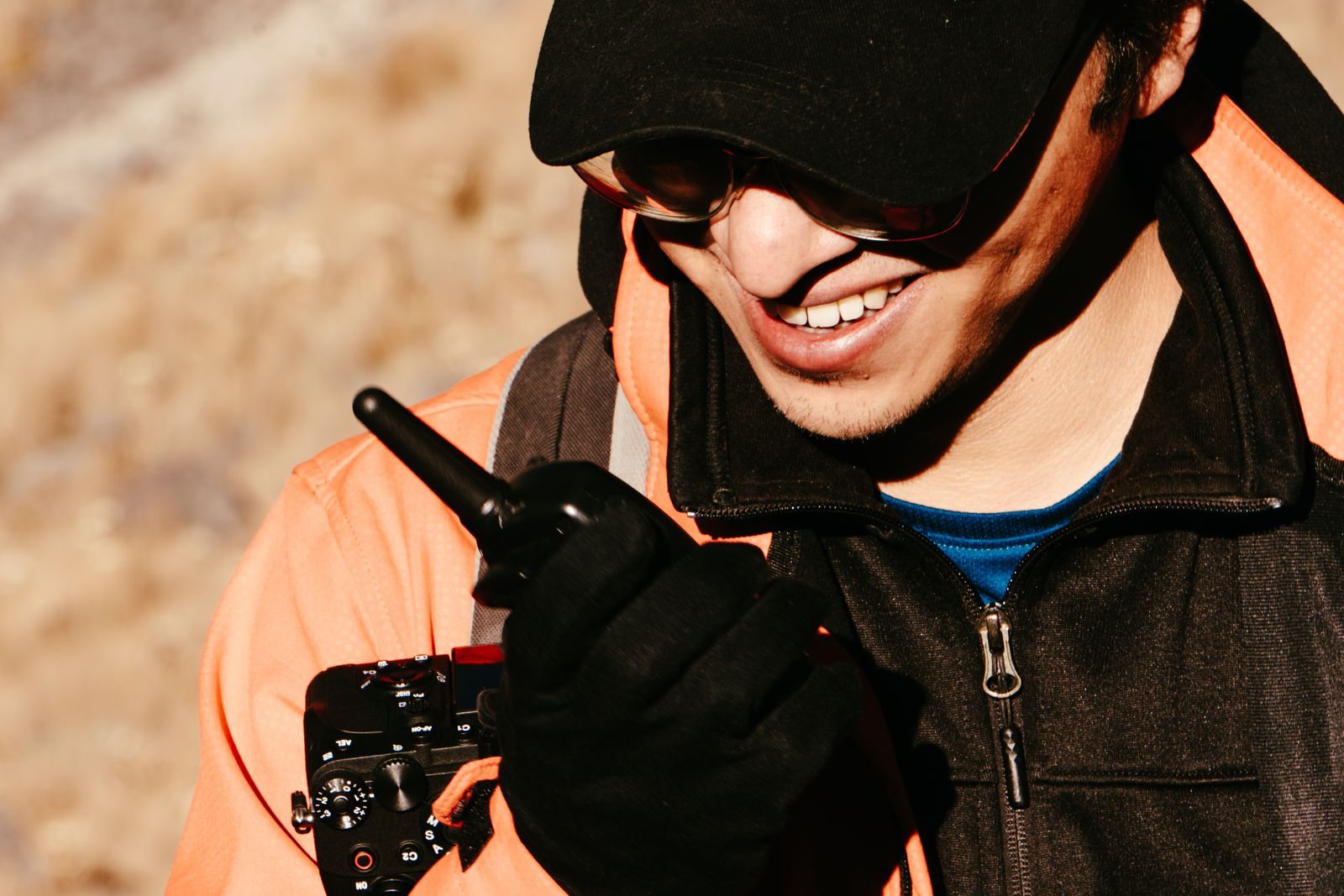
Listening: no permit needed and the key source of news
You need no ČTÚ licence to listen to the radio. In a crisis, radio and TV broadcasters must, at the request of crisis management authorities, publish information on the declared state of crisis and the ordered measures immediately and without changes (Act No. 240/2000 Coll., the Crisis Act, Section 30). That is why a battery or hand-crank radio with spare batteries is worth having. Municipal public-address systems also pass on information. What the individual siren signals mean is described in our article on blackouts and crises.
Walkie-talkies without a permit: PMR446 and CB
You may transmit without an individual licence only where ČTÚ has issued a general authorisation (Act No. 127/2005 Coll., on Electronic Communications, Section 9(2)). Two of them matter for households.
- PMR446 (ČTÚ general authorisation No. VO-R/3/6.2016-9): band 446.0–446.2 MHz, at most 500 mW, voice only, and only a handheld radio with a fixed antenna that cannot be removed. A single transmission may last no more than 180 seconds. Range depends on terrain and buildings.
- Beware of cheap walkie-talkies with a removable antenna and a wide frequency range. They do not meet the PMR446 conditions and therefore may not be used without a licence. Buy only equipment expressly designed for PMR446.
- CB, citizens' band radios at 27 MHz (ČTÚ general authorisation No. VO-R/7/07.2023-4): FM on channels 1–80 at most 4 W; AM (4 W) and SSB (12 W) only on channels 1–40. Add-on amplifiers, advertising and commercial broadcasting are prohibited. Usually longer range than PMR446, but a bigger radio and antenna.
Radio amateur: exam and licence from ČTÚ
Radio amateurs make contacts even over long distances and can help pass on messages in a crisis. It is a non-profit service for self-training and mutual communication (Decree No. 156/2005 Coll., Section 1). To transmit you need two things: a certificate of competence (Act No. 127/2005 Coll., Section 26(1), letter d) and an individual licence to use radio frequencies (Act No. 127/2005 Coll., Section 17(1)).
- Learning: ČTÚ publishes the exam questions and answers on its website (Act No. 127/2005 Coll., Section 26(3)). Radio clubs run courses.
- Applying for the exam: in writing to ČTÚ. The office sets the date so that the exam takes place no later than 3 months after receiving the application (Act No. 127/2005 Coll., Section 26(3)).
- Class A, HAREC certificate: internationally recognised, up to 750 W. Class N, NOVICE certificate: lower class, up to 10 W (Decree No. 156/2005 Coll., Section 4(2)). According to ČTÚ, certificates are issued for an unlimited period.
- Licence and call sign: apply on form 13N through the ČTÚ e-portal; the administrative fee is CZK 500 according to ČTÚ. You may propose your own call sign (Act No. 127/2005 Coll., Section 17(3), letter e). According to ČTÚ, the licence is usually issued for 5 years.
- Foreigners: with a HAREC certificate from a CEPT country you can apply for a Czech licence; the call sign then starts with OK8. ČTÚ lists the conditions for short visits without a licence on its website.
What to prepare at home
- A battery or hand-crank radio and spare batteries.
- Two or more PMR446 radios for the family, with a channel and check-in time agreed in advance.
- Important numbers (112, 150, 155, 158) and family contacts on paper.
- A meeting point in case there is no connection at all.
The technical conditions are given according to the general authorisations in force on 7 November 2026. ČTÚ may change them, so check the current text at ctu.gov.cz before buying.
Sources and related articles
- ČTÚ: General authorisations (PMR446, CB; in Czech)
- ČTÚ: Amateur radiocommunication service
- Blackout, crisis and civil protection in Czechia: supplies, shelters, masks and who to contact
- First aid before the ambulance arrives: what you can do and what the law requires
- Survival books: what to read about the outdoors, health, radio, crises and life without technology